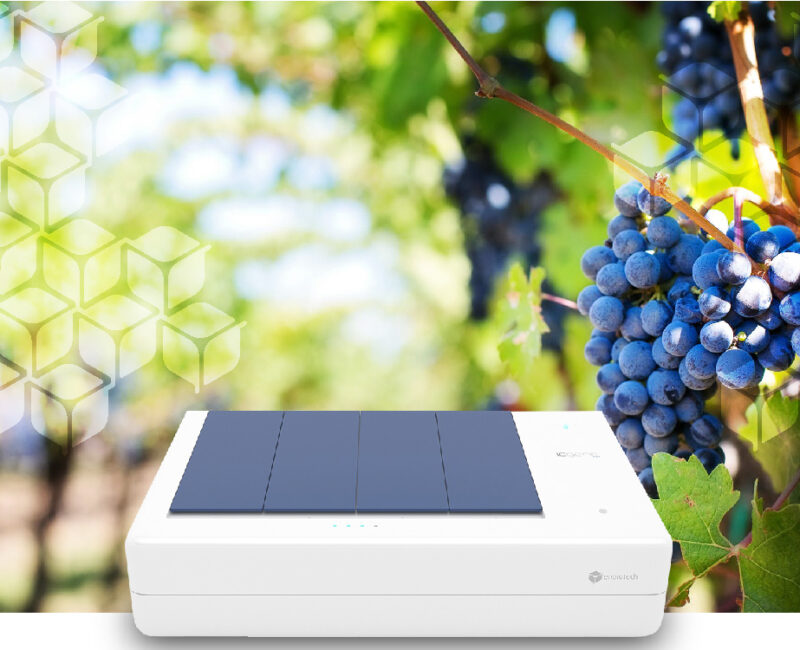
Specific kit for the qualitative, rapid and specific detection of Botrytis cinerea in plant samples, grape juice and wine.




Xylella fastidiosa (Xf) is one of the most dangerous plant bacteria in the world, causing a wide variety of diseases, with an enormous economic impact on agriculture, public gardens and the environment.
The bacterium lives in the xylem tissue of the plant and is normally spread by insect vectors that feed on the sap of the xylem vessels: the bacterium colonizes the cuticular lining of the foregut of the insect which in turn transmits it to a new host.
Symptoms associated with the presence of Xf in plants depend on numerous factors and vary widely from non-expressed infections to plant death.
In the European Union, numerous plants of high economic value (e.g. Olea europaea, species of the genus Prunus – plums, almonds, cherries) or widely distributed ornamental plants (e.g. Polygala myrtifolia, Nerium oleander) have been identified as hosts.
The risk of Xf spreading further is so high that it is crucial to implement stringent control measures immediately after new outbreaks are detected. Therefore, the European and Mediterranean Plant Protection Organization (EPPO) has published a special alert to facilitate access to available data and ensure correct diagnosis of the bacterium and adequate emergency management.
* Patent licenses WO 00/28082, WO 01/34790, WO 01/77317, WO 02/24902, WO 01/34838 ** Industrial invention patent no. 0001425753 dated 09.11.2016
To perform rapid DNA extraction and specific gene amplification with LAMP technology
Contains all information relating to the kit, including the lot number and expiration date
With real-time results of the search for Xylella fastidiosa in the analyzed plant samples
The system allows for automatic interpretation of results, real-time visualization, and online availability. Sigmoid curves corresponding to positive (+) samples indicate the presence of Xylella fastidiosa. Straight lines indicate that the analyzed samples are negative (o) for Xylella fastidiosa.
Specific kit for the qualitative, rapid and specific detection of Botrytis cinerea in plant samples, grape juice and wine.

Specific kit for the qualitative, rapid and specific detection of Citrus tristeza Virus (CTV) in plant samples of the Citrus genus.

Specific kit for the qualitative, rapid and specific detection of PPV in plant samples.
 English (UK)
  Italiano
  Polski