
Kit specifico per il rilevamento qualitativo, rapido e specifico di Campylobacter jejuni in matrici alimentari.



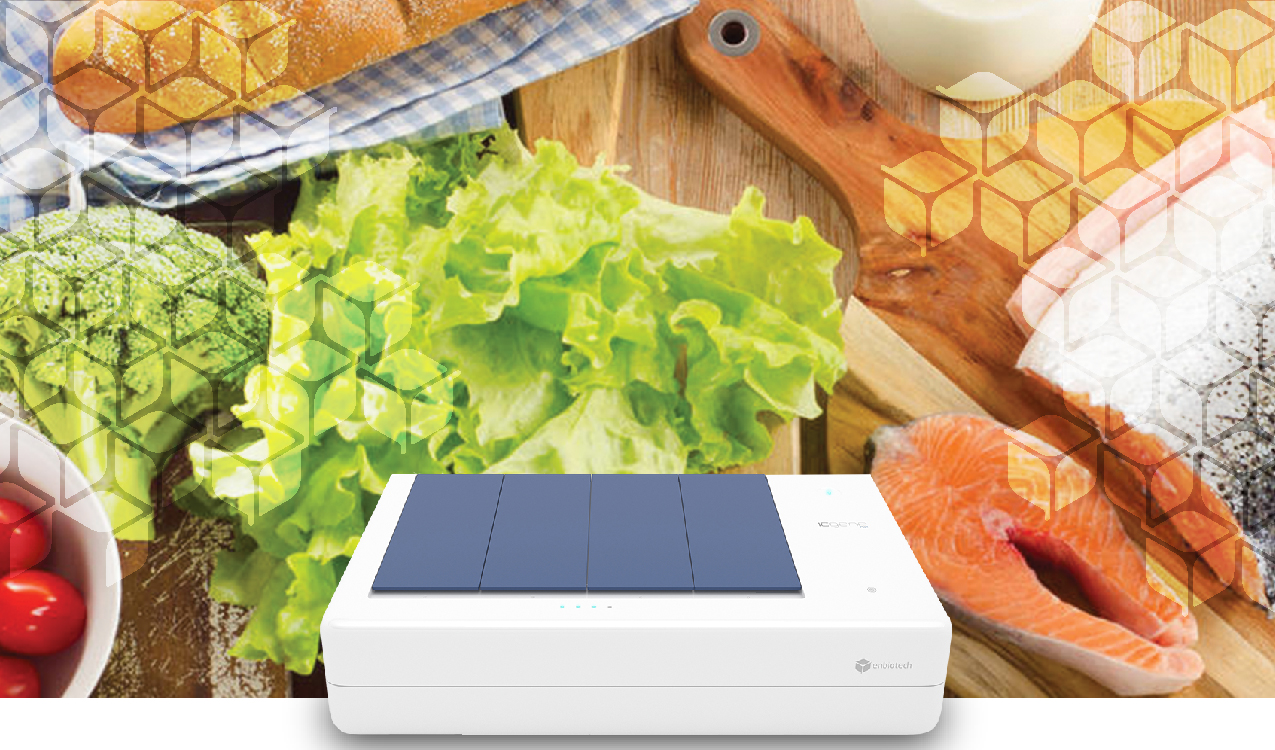
Listeria è una famiglia di batteri composta da dieci specie.
Una di queste, Listeria monocytogenes, causa la listeriosi, una malattia che colpisce l’uomo e gli animali.
La listeriosi è una delle più gravi malattie infettive a trasmissione alimentare spesso grave, con elevati tassi di ricovero ospedaliero e mortalità. La Listeria si ritrova nel terreno, nelle piante e nelle acque.
Anche gli animali, tra cui bovini, ovini e caprini, possono essere portatori del batterio.
Il consumo di cibo o mangime contaminato è la principale via di trasmissione per l’uomo e gli animali.
Listeria monocytogenes è un microrganismo ambientale che può contaminare gli alimenti in tutte le fasi di produzione, manipolazione e conservazione: a livello di distribuzione, ma anche domestico.
Gli alimenti pronti al consumo che, per le loro caratteristiche chimico-fisiche, supportano la crescita del microrganismo, rappresentano la categoria più a rischio. Tra questi ritroviamo i formaggi freschi, molli ed erborinati (gorgonzola, roquefort, camembert, robiola, taleggio, brie, brique) e il pesce affumicato (salmone, tonno, pesce spada, trota, sgombro, aringa La cottura a temperature superiori a 65 °C uccide i batteri.
Tuttavia il batterio sListeria può essere presente in diversi alimenti pronti e, a differenza di molti altri batteri di origine alimentare, tollera gli ambienti salati e le basse temperature (tra +2°C e 4°C).
Sono disponibili due distinti kit di indagine: uno per la ricerca specifica della Listeria spp, l’altro per la determinazione della Listeria monocytogenes.
* Licenze di brevetto WO 00/28082, WO 01/34790, WO 01/77317, WO 02/24902, WO 01/34838 ** Brevetto per invenzione industriale n. 0001425753 del 09.11.2016
Per effettuare l’estrazione rapida del DNA e l’amplificazione genica specifica con tecnologia LAMP
Contenente tutte le informazioni relative al kit, inclusi il numero del lotto e la data di scadenza
Con esito in tempo reale della ricerca di Listeria monocytogenes nei campioni di alimenti analizzati
The system allows automatic interpretation of the results, real-time visualization and online availability. The sigmoid curves sigmoid curves in corrispondenza dei campioni positivi (+) indicano la presenza di Listeria monocytogenes. Le straight indicano che i campioni analizzati sono negativi (o) per Listeria monocytogenes.
Kit specifico per il rilevamento qualitativo, rapido e specifico di Campylobacter jejuni in matrici alimentari.

Kit specifico per il rilevamento qualitativo, rapido e specifico di Listeria spp.in matrici alimentari.

Kit specifico per il rilevamento qualitativo, rapido e specifico di Campylobacter coli in matrici alimentari.
 English (UK)
  Italiano
  Polski